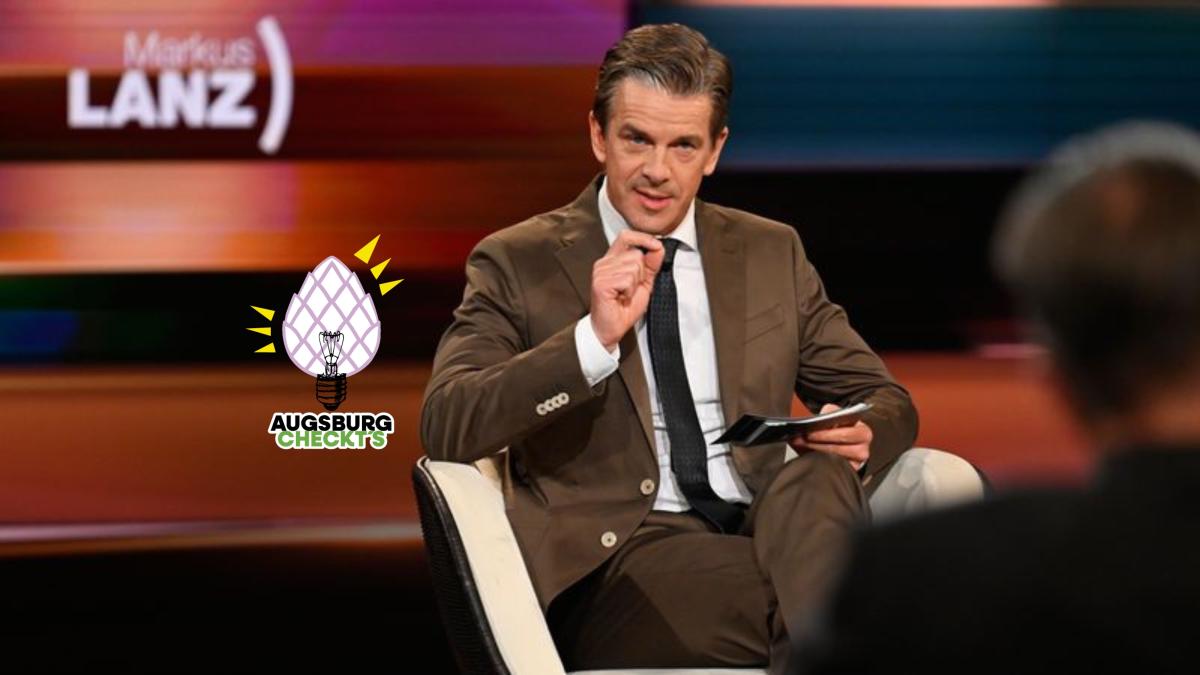
Markus Lanz: A Cornerstone of German Public Discourse
For over a decade, the name Markus Lanz has been synonymous with insightful, often intense, political and societal debate in Germany. Since its inception in 2008, the ZDF talk show bearing his name has solidified its position as a vital platform for addressing the most pressing issues facing the nation and the world. When viewers search for Markus Lanz Heute Gäste ZDF, they are looking for more than just a list of names; they seek a window into the nuanced discussions that shape public opinion and policy.
Lanz's program is far from a casual chat show. Three times a week – typically on Tuesdays, Wednesdays, and Thursdays – it convenes a diverse panel of experts, politicians, journalists, and individuals with unique perspectives to dissect current events. From high-stakes political skirmishes within the Bundestag to complex international conflicts and profound personal narratives, the show's broad thematic scope is a key ingredient in its enduring appeal. Consistently attracting over 1.5 million viewers, and often significantly more, Markus Lanz proves that deep, analytical conversation still holds a powerful draw in the age of rapid-fire news cycles.
Understanding the Enduring Appeal and Structure of Markus Lanz
The success of Markus Lanz isn't accidental; it's a testament to a meticulously crafted format and Lanz's distinctive interviewing style. Unlike many other talk shows that might prioritize entertainment or quick soundbites, Lanz often delves into the intricacies of an argument, challenging guests and prompting them to articulate their positions with clarity and depth. His own self-professed insatiable curiosity, which he claims has only grown over the years, is evident in his thorough preparation and his ability to guide discussions through complex terrains, regardless of whether his guests are global luminaries or less-known figures with compelling stories.
The show's consistent broadcast schedule – late evenings on ZDF and via the ZDF-Livestream – makes it a predictable fixture for many. While exact start times can fluctuate, typically ranging from around 10:45 PM to midnight, the expectation of a robust debate remains constant. For those who miss the live broadcast, the ZDF Mediathek offers immediate access, with each episode titled "Der Talk vom..." followed by the specific date. This accessibility ensures that critical discussions are not confined to a single viewing slot but remain available for informed citizens to engage with at their convenience. For a broader look at the show's evolution and impact, explore our insights in Markus Lanz Heute Gäste Zdf - Article 1.
Anatomy of a Key Episode: April 14th's Critical Discussions
A prime example of the show's commitment to timely and relevant topics can be seen in an episode broadcast on Tuesday, April 14th. This particular evening highlighted two dominant and interconnected themes that were front and center in both German domestic policy and international relations: the contentious debate over energy prices and relief measures within Germany, and the escalating Iran conflict, particularly focusing on failed peace talks and the volatile situation in the Strait of Hormuz.
Germany's Energy Crisis and Economic Relief
The discussion around energy prices was particularly pertinent, reflecting widespread public concern over rising costs and their impact on households and businesses. The German government's response, including proposed relief measures and potential tax cuts, was under intense scrutiny. This segment typically involves a robust exchange between politicians, economists, and journalists, each offering their analysis of the effectiveness and fairness of the proposed solutions. Such debates are crucial for transparency and accountability in a democratic society, providing a public forum where government policies can be openly challenged and defended.
The Iran Conflict: Geopolitical Tensions and Maritime Security
Simultaneously, the global spotlight remained fixed on the Iran conflict. The episode delved into the ramifications of stalled peace negotiations, a scenario that often fuels regional instability. A particular focus was placed on the Strait of Hormuz, a critical maritime chokepoint through which a significant portion of the world's oil supply passes. The potential for escalation in such a strategically vital area, coupled with the implications of any US naval blockades, presented a complex challenge requiring expert analysis. Understanding the interplay of political, economic, and military factors in such a sensitive region is paramount for international stability.
The Esteemed Panel: Voices Shaping the April 14th Dialogue
To navigate these multifaceted issues, Markus Lanz assembled a panel designed to offer diverse and authoritative perspectives. The selection of guests is always a crucial element in the show's ability to foster a comprehensive and engaging debate.
- Sepp Müller, CDU-Politiker: As the Deputy Chairman of the CDU/CSU parliamentary group and Co-Chairman of the task force addressing high energy prices, Müller brought a conservative political viewpoint to the debate on relief measures and tax reduction plans. His presence ensured a direct perspective from a key opposition figure involved in shaping policy proposals.
- Anna Lehmann, Journalistin: The head of the parliamentary bureau for the "taz" newspaper, Lehmann provided a journalistic lens, critically commenting on the coalition's internal disputes regarding fuel price relief. Her role was to analyze the political maneuvering and evaluate the efficacy of the measures implemented, often challenging official narratives.
- Azadeh Zamirirad, Politologin: A Near East expert from the German Institute for International and Security Affairs (SWP), Zamirirad offered invaluable academic and geopolitical analysis. Her expertise was crucial for understanding the complexities of the situation in her home country, Iran, especially in the context of the failed peace negotiations.
- Moritz Brake, Sicherheitsexperte: A reserve corvette captain and expert in maritime security from the University of Bonn, Brake illuminated the critical situation in the Strait of Hormuz. His insights covered the operational risks of US naval blockades and the broader implications for international shipping and energy markets, providing a vital military and strategic perspective.
This carefully curated panel exemplifies how Markus Lanz Heute Gäste ZDF ensures a rich tapestry of viewpoints, moving beyond surface-level reporting to probe the deeper implications of current events. To discover more about the specific guests and discussions featured on other significant evenings, refer to Markus Lanz Heute Gäste Zdf - Article 3.
Why Markus Lanz Resonates with Viewers: Beyond the Broadcast
Over 2000 episodes, Markus Lanz has welcomed an astonishing array of guests, from global leaders like Barack Obama and Bill Gates to influential German politicians, scientists, and ordinary individuals with extraordinary tales. This blend of high-profile figures and compelling personal stories is a testament to the show's core philosophy: to invite anyone with something relevant to say. The format encourages conversations that are often more profound and less constrained than typical interviews, allowing for a genuine exploration of ideas and emotions.
The show's commitment to asking tough questions and fostering robust debate has cemented its reputation as an essential contributor to German public discourse. It doesn't shy away from controversy but rather embraces it as an opportunity for clarification and understanding. For viewers seeking informed perspectives and a deeper understanding of the forces shaping their world, Markus Lanz remains an indispensable resource. Engaging with such content offers more than just information; it provides tools for critical thinking and informed participation in democratic processes. The availability of episodes in the ZDF Mediathek also offers an excellent opportunity for follow-up research on topics that pique interest.
Conclusion
The talk show Markus Lanz on ZDF, with its consistent ability to attract a diverse array of guests and tackle complex subjects, remains a beacon of in-depth journalism and public debate in Germany. Episodes like the one on April 14th, bringing together varied expert perspectives on critical domestic and international issues, underscore the program's vital role. It’s more than just a broadcast; it's a dynamic forum where current affairs are rigorously examined, allowing viewers seeking Markus Lanz Heute Gäste ZDF to gain a richer understanding of the world around them. As long as there are pertinent issues to discuss and a desire for informed dialogue, Markus Lanz will undoubtedly continue to be a crucial platform for shaping opinions and fostering intellectual engagement.